Installing an air conditioning system is a significant investment for any homeowner, and understanding the essentials of this process can ensure a smooth experience and optimal performance. The first step in air conditioning installation involves selecting the right type of unit based on your home’s size, layout, and cooling needs. Central air conditioners are common for larger homes with existing ductwork, while ductless mini-split systems may be more appropriate for smaller spaces or homes without ducts. Proper sizing is crucial; an undersized unit will struggle to cool effectively, while an oversized one can lead to inefficient operation and increased energy costs.
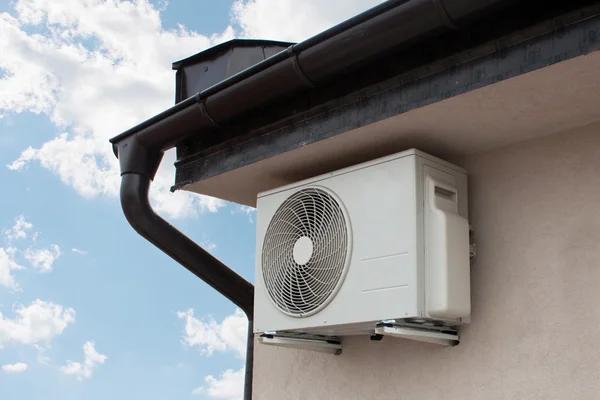
Before installation begins, it is important to have a professional assess your home’s electrical capacity. Air conditioners require dedicated circuits with adequate amperage to operate safely. Upgrading your electrical panel or wiring might be necessary if the current setup cannot support the new system. Additionally, proper placement of both indoor and outdoor units impacts efficiency and longevity. Outdoor units should be installed in well-ventilated areas away from direct sunlight or obstructions that could restrict airflow. Indoor components must be positioned strategically to distribute cooled air evenly throughout living spaces.
The installation process itself involves mounting the indoor evaporator coil securely inside the home and connecting it via refrigerant lines to the outdoor condenser unit. These connections require precision handling by trained technicians due to their complexity and environmental regulations surrounding refrigerants. Proper sealing of ducts or ensuring airtight connections in ductless systems prevents energy loss and maintains desired temperatures efficiently.
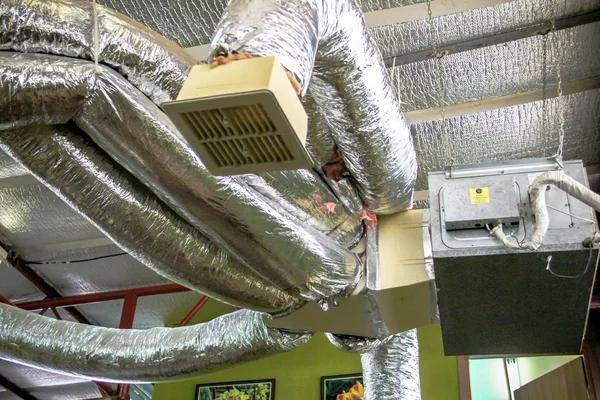
Another essential consideration during installation is insulation quality around ducts or pipes carrying cooled air or refrigerant lines. Poor insulation can cause condensation issues leading to water damage or mold growth within walls or ceilings over time. Ensuring all components meet local building codes guarantees safety standards are upheld throughout the project.
After physical installation concludes, testing follows immediately to verify correct operation of thermostats, compressors, fans, and drainage systems that remove accumulated moisture from indoor coils. This step confirms that no leaks exist within refrigerant lines which could impair performance or harm the environment.
Finally, homeowners should familiarize themselves with routine maintenance practices such as filter replacement schedules and annual professional inspections that keep systems running smoothly long-term while preventing costly repairs down the line.
Understanding these key aspects equips homeowners with knowledge vital click for details making informed decisions about their air conditioning installations-resulting in comfort enhancements paired with energy-efficient solutions tailored specifically for their living environments.