Air conditioning systems have become an integral part of modern living, offering not only comfort during sweltering summer months but also playing a crucial role in maintaining cleaner indoor air. The benefits of air conditioning extend beyond temperature regulation, significantly impacting the quality of the air we breathe indoors. This aspect is particularly important as people spend a majority of their time inside homes and offices where pollutants can accumulate.
One of the primary advantages of air conditioning systems is their ability to filter out pollutants and allergens from the indoor environment. Modern air conditioners are equipped with advanced filtration systems that capture dust, pollen, pet dander, and other airborne particles. These filters work by trapping contaminants as air circulates through the system, effectively reducing their concentration in indoor spaces. This function is especially beneficial for individuals who suffer from allergies or respiratory conditions such as asthma, providing them with relief and improving overall health.
Moreover, air conditioning helps control humidity levels within indoor environments. High humidity can create favorable conditions for mold growth and dust mites, both of which are common triggers for allergic reactions. By maintaining optimal humidity levels—typically between 30% to 50%—air conditioners inhibit the proliferation of these allergens. Consequently, this read more contributes to a healthier living space by minimizing potential health risks associated with dampness and mold exposure.
In addition to filtering out physical particles and controlling humidity, some advanced air conditioning units incorporate technologies designed to neutralize harmful microorganisms like bacteria and viruses. Ultraviolet (UV) light systems integrated into these units can kill or deactivate pathogens present in circulating air, thus further enhancing indoor air quality.
Another notable benefit is the improved ventilation provided by modern HVAC (heating, ventilation, and air conditioning) systems. Proper ventilation ensures that there is a consistent exchange between outdoor fresh air and stale indoor air. This exchange dilutes concentrations of indoor pollutants such as volatile organic compounds (VOCs), which are emitted by household products like paints and cleaning supplies.
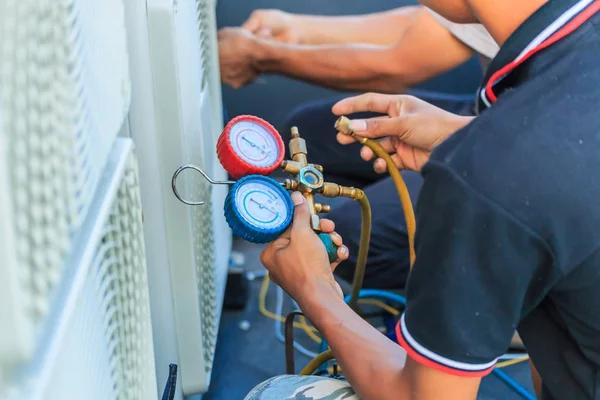
Despite these numerous benefits for cleaner indoor air quality provided by well-maintained AC systems, it’s essential to conduct regular maintenance checks on these units to ensure they operate efficiently. Dirty filters or clogged ducts can hinder performance leading to reduced effectiveness in filtering out pollutants.
In conclusion, while often associated primarily with cooling functions during hot weather spells; modern-day advancements have transformed traditional perceptions surrounding what constitutes effective climate control solutions today: offering comprehensive approaches aimed at achieving superior standards concerning cleanliness across various enclosed settings worldwide thanks largely due diligence exercised regularly regarding upkeep practices implemented accordingly over time ensuring continued efficacy long-term basis ultimately benefiting all occupants alike therein involved directly indirectly respectively throughout entire process itself considered holistically speaking overall contextually relevant manner possible imaginable indeed truly remarkable achievement realized collectively together collaboratively moving forward optimistically towards future endeavors ahead undoubtedly so!