A recent article I stumbled upon sparked my interest in exploring the nuances of potty training an adult dog. The guide offered insightful tips, which prompted me to delve deeper into the subject and share my thoughts on this often misunderstood process.
Understanding Adult Dog Behavior
When it comes to potty training an older dog, understanding their behavior is crucial. Adult dogs may have entrenched habits, making housebreaking an adult dog seem daunting. Unlike puppies, older dogs come with a history, which can include previous training or a lack thereof. It’s essential to approach the task with patience and empathy, acknowledging that the dog may have reasons for their current behavior patterns.
Establishing a Routine
A consistent routine is the backbone of successful house training for an adult dog. Dogs thrive on routine, and setting a regular schedule for meals, walks, and bathroom breaks can make a significant difference. This helps the dog understand when it’s time to relieve themselves, reducing the chances of accidents indoors. Over time, this routine becomes second nature, aiding in the process of potty training an older dog.
Positive Reinforcement and Patience
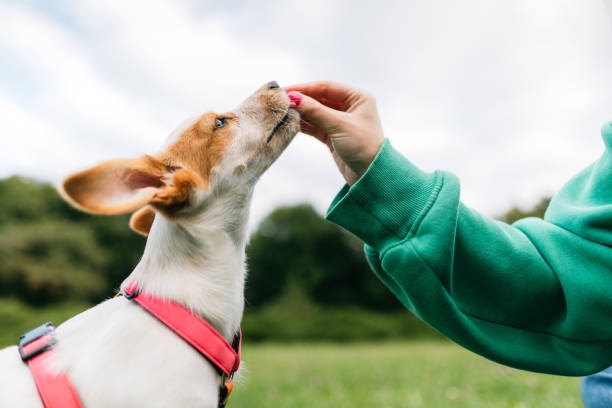
Positive reinforcement is a powerful tool in potty training an adult dog. Rewarding the dog with treats, praise, or playtime immediately after they successfully go outside reinforces good behavior. It’s equally important to remain patient. Accidents are part of the process, and responding with frustration can undermine progress. Instead, focus on guiding the dog gently towards the desired behavior.
Addressing Challenges
House training an adult dog may present unique challenges, particularly if the dog has anxiety or past traumas. In such cases, it’s beneficial to consult with a veterinarian or a professional dog trainer who can provide tailored advice. Additionally, consider using cues or commands that the dog can associate with going outside. This can be a simple word or phrase repeated consistently during training sessions.
Tools and Equipment
Utilizing the right tools can facilitate the potty training process. Leashes and harnesses ensure the dog is safe and secure during outdoor breaks. For those living in apartments or urban areas, puppy pads can serve as temporary solutions. However, they should not replace outdoor training entirely. The goal is to encourage the dog to associate the outdoors with bathroom activities.
In conclusion, potty training an adult dog requires a blend of understanding, consistency, and positive reinforcement. By establishing a routine and addressing challenges with patience, owners can successfully house train their older dogs. Remember, every dog is unique, and what works for one may not work for another. Stay adaptable and open to trying different approaches until the right fit is found.
Via: https://runknitlove.com/2026/07/18/potty-training-adult-dog-a-comprehensive-guide/