
Category: Product

  • Signs Your Mini Split AC Needs Professional Repair

    Signs Your Mini Split AC Needs Professional Repair

    Mini split air conditioning systems are popular for their energy efficiency and ability to cool specific areas effectively. However, like any mechanical device, they can experience issues that require professional attention. Recognizing the signs that your mini split AC needs repair early can prevent further damage and ensure it operates smoothly throughout the cooling season. One common indicator is when the system fails to cool the room adequately despite running continuously. If you notice that your unit is blowing warm or only slightly cooler air, this could signal a refrigerant leak or compressor problem, both of which need expert diagnosis.

    Another sign to watch for is unusual noises coming from either the indoor or outdoor units. Humming, buzzing, rattling, or grinding sounds often point to loose components, worn-out parts, or motor issues within the system. Ignoring these noises may lead to more severe breakdowns over time. Additionally, if you detect water leaking around your mini split unit indoors or pooling beneath it outside, this suggests drainage problems such as clogged condensate lines or frozen coils caused by low refrigerant levels.

    A sudden increase in your electricity bills without a corresponding rise in usage might also indicate that your Mini Split AC is struggling and consuming more power than usual due to inefficiency caused by internal faults. When filters become dirty and block airflow repeatedly despite cleaning efforts, it might mean there’s an underlying issue with airflow sensors or ductwork requiring professional inspection.

    Frequent cycling on and off without completing full cooling cycles-known as short cycling-is another symptom of malfunctioning thermostats or electrical problems within the system’s control board. This behavior not only reduces comfort but also places undue stress on components leading to premature failure.

    If you notice persistent error codes displayed on your unit’s remote control panel that cannot be reset through basic troubleshooting steps like restarting the system or replacing batteries in sensors, contacting a technician becomes necessary since these codes usually correspond to specific malfunctions needing specialized tools for resolution.

    Inconsistent temperature regulation across different zones managed by the mini split system can reveal calibration problems with zone controllers or faulty dampers affecting air distribution balance throughout rooms.

    Addressing these warning signs promptly by consulting qualified HVAC professionals ensures reliable performance while extending the lifespan of your mini split air conditioner. Attempting DIY fixes without proper knowledge risks voiding warranties and causing costly damages later on. Regular maintenance combined with timely repairs keeps indoor environments comfortable year-round while optimizing energy consumption efficiently.
  • How Modern Commercial Refrigeration Improves Food Safety and Storage

    How Modern Commercial Refrigeration Improves Food Safety and Storage

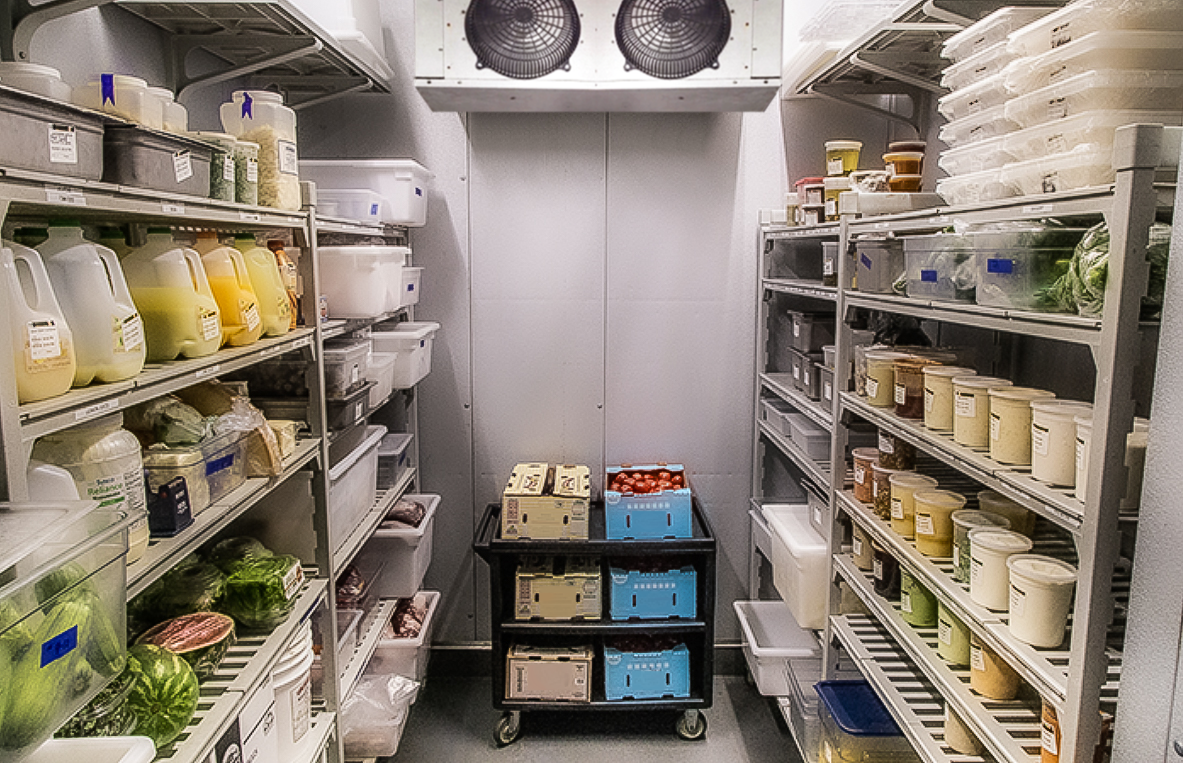
    Modern commercial refrigeration plays a crucial role in enhancing food safety and storage across various industries, from restaurants to grocery stores. Advances in technology have transformed traditional cooling systems into highly efficient units that maintain precise temperature control, reduce spoilage, and prevent contamination. These improvements not only extend the shelf life of perishable goods but also help businesses comply with stringent health regulations.

    One of the primary ways modern refrigeration improves food safety is through accurate temperature management. Consistent temperatures are essential for inhibiting bacterial growth and preserving the quality of fresh produce, dairy products, meats, and seafood. Contemporary systems use digital thermostats and sensors that monitor internal conditions continuously. This real-time monitoring allows for immediate adjustments if temperatures deviate from safe ranges, minimizing risks associated with improper storage.

    In addition to maintaining ideal temperatures, many new refrigeration units feature advanced airflow designs that ensure even cooling throughout the storage space. Uniform air circulation prevents hot spots where bacteria can proliferate or food can deteriorate faster than expected. By distributing cold air efficiently around all stored items, these systems help maintain consistent freshness levels while reducing energy consumption.

    Another significant advancement is the integration of antimicrobial materials within refrigeration components. Surfaces coated with antimicrobial agents inhibit microbial growth on contact points inside refrigerators and freezers. This reduces cross-contamination risks during regular handling or cleaning processes by limiting pathogen survival on shelves or door handles.

    Energy efficiency has also improved considerably in modern commercial refrigerators without compromising performance. Enhanced insulation materials minimize thermal exchange between interior compartments and external environments, keeping cold air contained more effectively. Variable speed compressors adjust cooling power based on demand rather than running at full capacity constantly; this not only conserves electricity but also maintains stable internal climates critical for food preservation.

    Furthermore, smart technologies enable remote monitoring via mobile devices or centralized management platforms used by operators overseeing multiple locations simultaneously. Alerts triggered by abnormal temperature fluctuations allow prompt intervention before spoilage occurs or regulatory breaches happen due to unsafe storage conditions.

    The combination of precise controls, better airflow distribution, antimicrobial features, energy-efficient design, and connectivity makes modern Commercial Refrigeration indispensable for maintaining high standards of food safety today. These innovations protect consumers from potential health hazards linked to improperly stored foods while helping businesses optimize inventory management by reducing waste caused by spoilage or contamination issues.

    Overall, adopting state-of-the-art refrigeration solutions supports both operational efficiency and public health objectives within the food industry sector worldwide through reliable preservation methods tailored to meet evolving demands effectively and sustainably over time.