
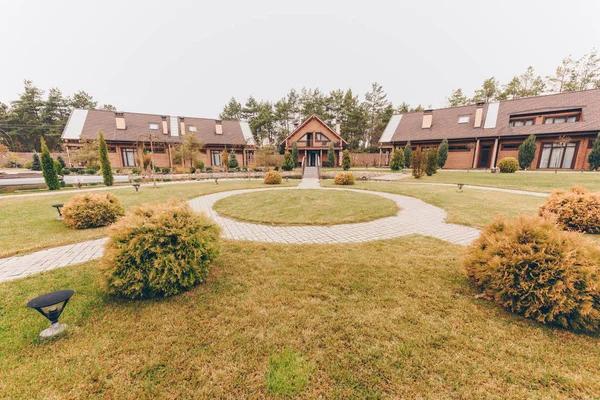
Have you ever found yourself staring at a small patch of land, wondering how to transform it into a lush, inviting garden? When faced with limited space, the challenge of creating a beautiful and sustainable garden can seem daunting. But the good news is, with a bit of creativity and inspiration, even the tiniest plot can become a vibrant oasis.
Discovering Inspiration in McCrillis Gardens
Recently, I came across an intriguing guide that really opened my eyes to the potential of small garden spaces. As I was exploring ideas, I stumbled upon an article about McCrillis Gardens, which offered a detailed exploration of diverse and sustainable garden designs. If you’re curious about creating a sustainable garden in a limited space, I recommend you visit this insightful resource. The piece highlighted the importance of creativity and innovation in garden design, and I found myself inspired to try new ideas in my own tiny garden.
Tiny Gardens: Thinking Outside the Box
Incorporating sustainable practices into a small garden doesn’t mean sacrificing beauty or diversity. In fact, it can be quite the opposite. The guide emphasized using native plants that thrive in local conditions, reducing the need for excessive watering or chemical fertilizers. This approach not only supports local biodiversity but also creates a low-maintenance garden that practically takes care of itself. For example, by selecting plants that naturally deter pests, I could minimize the use of harmful pesticides, making my garden both eco-friendly and safe for my family.
Exploring Other Garden Inspirations
While McCrillis Gardens provided a wealth of ideas, I also found inspiration in other renowned gardens. Acadia Gardens, with its focus on tiny gardens, showcases how even the smallest spaces can become a sanctuary. Similarly, the historic Yu Gardens offer lessons in the integration of natural elements and cultural aesthetics. Each of these gardens taught me that regardless of size, a garden can be a reflection of personal style and a commitment to sustainability.
Sustainability as a Design Principle
The concept of sustainability is not just a trend; it’s a necessity for modern garden design. By integrating sustainable practices, we can create spaces that are not only beautiful but also ecologically responsible. Simple steps, such as composting kitchen waste or installing a rainwater collection system, can significantly reduce a garden’s environmental footprint. These small changes add up, contributing to a healthier planet.
My Personal Takeaway
As I work on my garden, I find myself constantly learning and adapting, inspired by the rich tapestry of ideas from gardens like McCrillis and Acadia. Creating a sustainable garden is a rewarding journey that combines creativity, practicality, and a deep respect for nature. Whether you’re working with a sprawling yard or a compact urban plot, the principles of sustainability can guide you in crafting a personal paradise.
In the end, gardening is as much about the process as it is about the result. With each plant I nurture and each design choice I make, I feel more connected to the earth and hopeful for the future. So, let’s embrace the challenge and transform our tiny gardens into thriving, sustainable sanctuaries.