
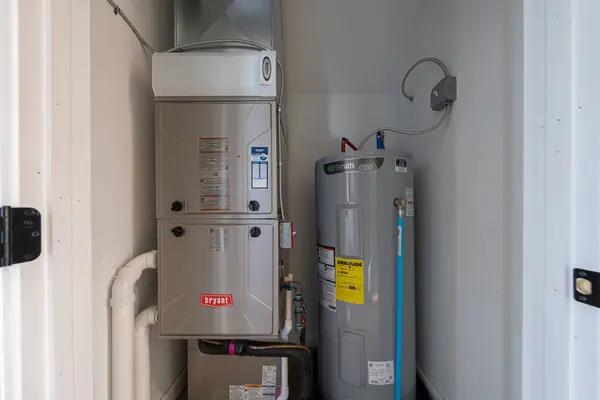
As the colder months approach, ensuring that your furnace is in optimal working condition becomes a priority. A well-functioning furnace not only provides comfort but also ensures energy efficiency and safety. However, like any other appliance, furnaces have a finite lifespan and will eventually require replacement. Recognizing the warning signs of a failing furnace can save you from unexpected breakdowns and potentially costly repairs.
One of the most common indicators that your furnace may need replacing is its age. Most furnaces have an average lifespan of 15 to 20 years. If your unit falls within or beyond this range, it might be time to consider an upgrade. Older models often lack check the site efficiency of newer ones, leading to higher energy bills and more frequent repairs.
Increasing energy costs without a corresponding rise in usage can also signal that your furnace is losing its efficiency. As components wear out over time, they cause the system to work harder than necessary to maintain desired temperatures. This inefficiency not only impacts your wallet but also places unnecessary strain on the environment due to increased energy consumption.
Frequent repairs are another red flag indicating potential failure. If you find yourself calling for professional help more frequently each winter season or spending significant amounts on parts and labor, investing in a new system might be more cost-effective in the long run.
Unusual noises coming from your heating unit should never be ignored either. While some sounds can be attributed to normal operation—such as minor clicks when starting up—a persistent rattling, banging, or whining noise could indicate serious issues such as loose components or motor problems requiring immediate attention.
A noticeable decline in air quality inside your home may also suggest trouble with your existing setup; older units often struggle with maintaining proper humidity levels which contribute towards dry skin irritation among other health concerns while exacerbating allergies through dust accumulation due primarily because outdated filters fail capturing airborne particles effectively compared against modern alternatives available today!
Lastly—but certainly not least—is uneven heating throughout various rooms/areas within residence space itself: if certain sections feel significantly cooler than others despite thermostat settings being consistent across board then chances are good there’s underlying issue causing imbalance like ductwork blockage/leakage needing addressing sooner rather later especially before situation escalates further still potentially resulting complete shutdown altogether!
In conclusion recognizing these warning signs early enables homeowners proactive measures taken avoid inconvenience associated sudden breakdown during peak demand periods ultimately saving both money peace mind knowing family remains comfortable safe all times regardless weather conditions outside prevail upon them daily basis!