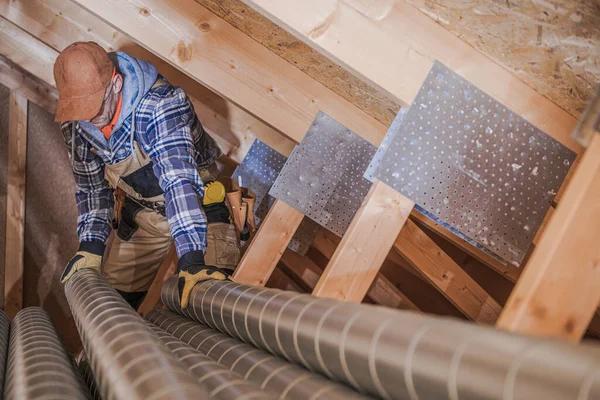
Proper attic ventilation is a critical component in maintaining the energy efficiency and structural integrity of your home. Often overlooked, this aspect of home maintenance can lead to significant benefits when appropriately managed. By understanding why proper attic ventilation matters, homeowners can take proactive steps to improve energy efficiency and protect their homes from potential damage.
One of the primary reasons for ensuring adequate attic ventilation is to regulate temperature extremes that can occur in an unventilated space. During hot summer months, attics can become excessively warm, often reaching temperatures significantly higher than the outside air. This heat buildup not only makes it difficult to maintain comfortable indoor temperatures but also forces air conditioning systems to work harder, thereby increasing energy consumption and utility bills. Proper ventilation allows hot air to escape while drawing in cooler outside air, effectively reducing the overall temperature within the attic.
In winter months, inadequate attic ventilation can lead to moisture buildup due to warm air rising from living spaces below meeting cold surfaces in the attic. This condensation can result in numerous issues such as mold growth and wood rot, which compromise structural integrity over time. Additionally, improper ventilation during cold weather contributes to ice dam formation on roofs. Ice dams occur when heat escapes through an inadequately ventilated roof, causing snow on top to melt and refreeze at the eaves’ edge. These ice formations prevent subsequent melting snow from draining properly off the roof, potentially leading to leaks and water damage inside your home.
By facilitating a continuous flow of outdoor air through vents located at strategic points such as soffits or ridge vents along with exhaust outlets near roof peaks or gable ends—why proper attic ventilation matters helps maintain balanced humidity levels throughout all seasons. This balance prevents both overheating during summer and moisture-related problems during wintertime.