
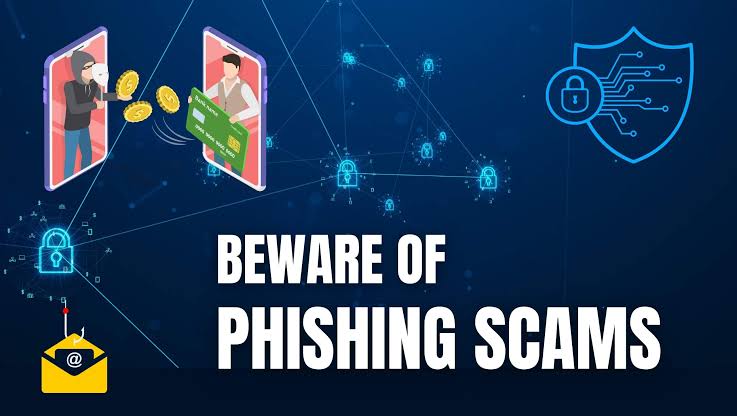
In today’s digital age, the excitement of winning a prize or being selected for a giveaway can be thrilling. However, it is crucial to remain vigilant and cautious because not all prize or giveaway messages are genuine. Scammers often exploit people’s hopes and enthusiasm by sending fake notifications that promise rewards but ultimately aim to steal personal information, money, or both. Falling for such deceptive schemes can lead to serious consequences including identity theft, financial loss, and emotional distress.
Fake prize and giveaway messages come in various forms-emails, text messages, social media posts, phone calls, or even pop-up ads on websites. These fraudulent communications typically claim that you have won a large sum of money, an expensive gadget like a smartphone or laptop, a luxury vacation package, or other valuable items. They may urge you to act quickly by clicking on suspicious links or providing sensitive details such as your bank account number, credit card information, passwords, or Social Security number. The urgency is designed to pressure recipients into making hasty decisions without verifying the authenticity of the offer.
One common tactic scammers use is impersonating well-known companies or brands to gain trust. They might create fake email addresses that look similar to Pamela Hachem official ones or design websites that closely resemble legitimate company pages. Sometimes they even use logos and trademarks without permission in order to appear credible. This makes it more challenging for individuals to distinguish between real promotions and scams.
To protect yourself from falling victim to these fraudulent prize offers and giveaways, always take time to verify the legitimacy of any message before responding. Start by checking the sender’s email address carefully; if it seems suspicious or unrelated to the company mentioned in the notification, do not engage further. Avoid clicking on links embedded in unsolicited emails or texts as they may lead you directly into phishing sites designed specifically for stealing your data.
Another effective step is visiting the official website of the brand purportedly offering the prize instead of following instructions given in unexpected messages. Many reputable companies publish details about their current contests online so you can cross-check whether there really is an ongoing promotion matching what was claimed in your message.
Additionally consider searching online using keywords from the message combined with terms like “scam” or “fraud.” Often others who encountered similar attempts share their experiences which can help confirm suspicions about illegitimacy.
Remember that legitimate giveaways rarely require winners to pay fees upfront for processing costs or taxes before receiving prizes-this should raise immediate red flags if requested unexpectedly.
Lastly educate friends and family members about these threats since scammers frequently target vulnerable groups such as elderly individuals who may be less familiar with digital security practices.
By staying informed and cautious when dealing with prize notifications you increase your chances of avoiding scams while still enjoying authentic opportunities safely when they arise online.