
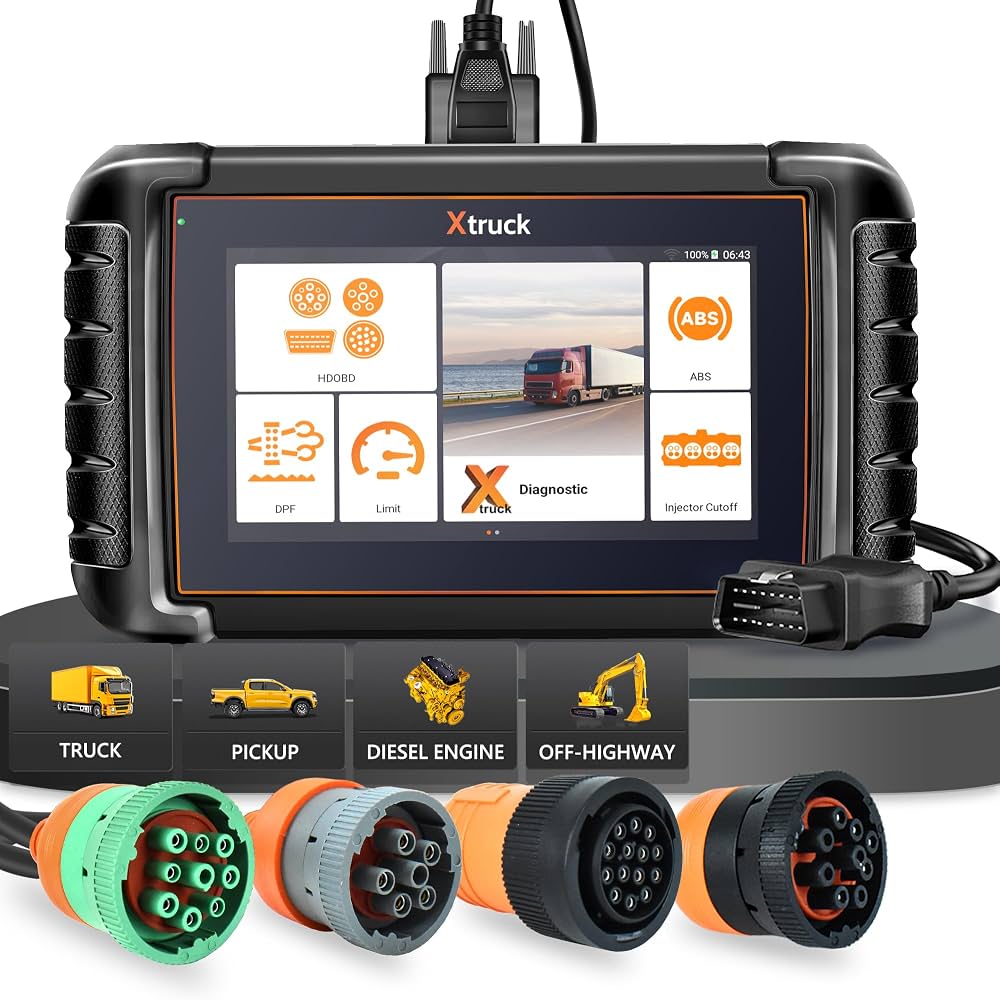
In the realm of heavy truck maintenance and repair, efficiency and accuracy are paramount. With the increasing complexity of modern heavy trucks, traditional diagnostic methods often fall short in identifying issues quickly and precisely. This is where heavy truck diagnostic software comes into play, revolutionizing how mechanics approach repairs. Choosing the right diagnostic software can significantly enhance repair speed and ease, ultimately reducing downtime and improving overall productivity.
When selecting heavy truck diagnostic software, it is essential to consider compatibility with various truck makes and models. Heavy trucks come from different manufacturers such as Volvo, Freightliner, Peterbilt, Kenworth, and others, each having unique electronic control units (ECUs) and communication protocols. Software that supports a broad range of brands ensures versatility in diagnosing multiple vehicles without needing separate tools for each make.
User-friendliness is another critical factor in choosing effective diagnostic software. Mechanics often work under time constraints; therefore, intuitive interfaces that simplify navigation through complex data are invaluable. Diagnostic programs equipped with clear menus, step-by-step troubleshooting guides, real-time data visualization, and customizable reports help technicians identify problems faster without extensive training or guesswork.
The depth of diagnostics offered by the software also plays a crucial role in speeding up repairs. Advanced programs provide comprehensive fault code reading capabilities covering engine systems, transmission controls, braking systems (including ABS), emission controls (such as DEF systems), electrical components like sensors and actuators, among others. Access to live sensor data allows for monitoring vehicle performance parameters while running tests on specific modules helps verify component functionality before replacement decisions are made.
Integration with other workshop management tools enhances operational efficiency further by streamlining workflows from diagnosis to parts ordering or service documentation generation within one platform. Cloud-based solutions enable remote access to vehicle information across multiple locations or teams collaborating on complex repairs remotely.
Security features cannot be overlooked when choosing diagnostic software since modern trucks increasingly rely on networked ECUs vulnerable to cyber threats if proper safeguards aren’t in place. Reliable software vendors invest heavily in encryption protocols ensuring safe communication between devices during diagnostics sessions protecting sensitive vehicle data against unauthorized access.
Cost considerations include not only upfront purchase price but also subscription fees for updates reflecting new models released regularly along with technical support availability which guarantees timely assistance resolving any issues encountered using the tool effectively over time.
Ultimately selecting heavy truck diagnostic software involves balancing these factors-compatibility breadth ensures flexibility; user-friendly design accelerates technician workflow; comprehensive diagnostics improve problem-solving accuracy; integration capabilities optimize shop processes; security measures protect data integrity; ongoing support sustains long-term usability-all contributing toward faster easier repairs minimizing costly downtime keeping fleets operational efficiently meeting demanding schedules reliably every day.